
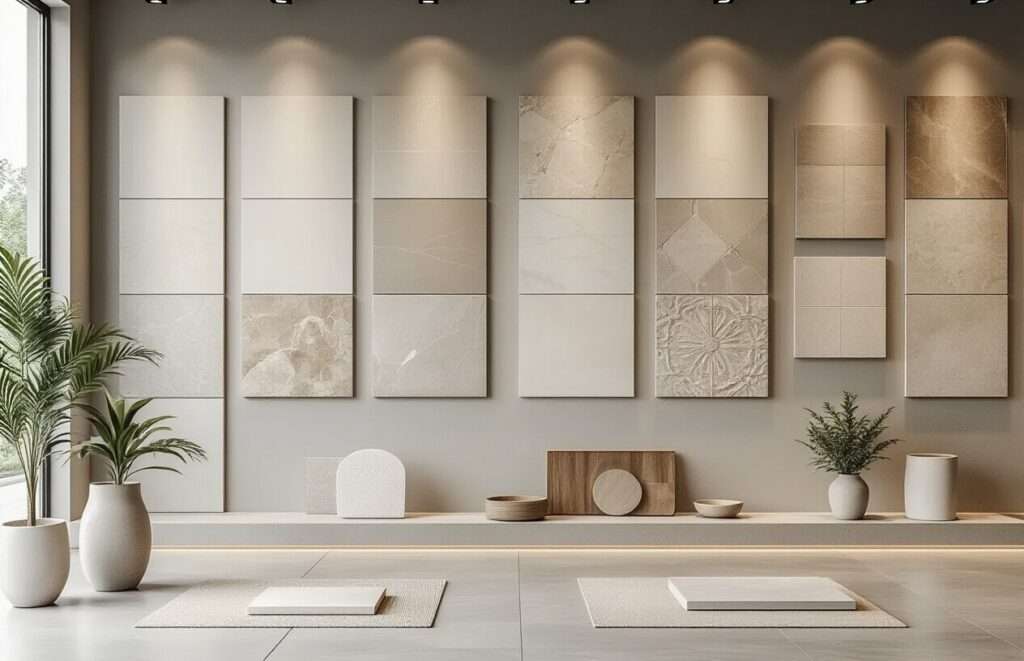
Choosing high-quality tiles can make or break your renovation project, but spotting truly premium options isn’t always obvious. This guide is designed for homeowners, contractors, and interior designers who want to invest in tiles that deliver lasting value and beauty.
At Lorex Ceramic, we believe premium tiles go beyond surface appeal. You’ll discover the key material composition standards that separate superior tiles from budget alternatives, plus the manufacturing processes that create tiles built to last decades. We’ll also break down the performance metrics that matter most, so you can make confident decisions for your next project.
Material Quality and Composition Standards
Firing Temperature Consistency
The backbone of premium tile quality lies in precise firing temperature control during the ceramic manufacturing process. High-end tiles undergo firing at temperatures ranging from 1,200°C to 1,300°C, with variations kept within ±5°C throughout the entire kiln cycle. This tight temperature control creates uniform molecular structures across every tile, preventing weak spots that could lead to cracking or uneven wear patterns.
Premium manufacturers invest in advanced kiln technology with sophisticated monitoring systems that track temperature zones continuously. These systems ensure consistent heat distribution, preventing the color variations and dimensional irregularities that plague lower-quality tiles. When firing temperatures fluctuate beyond acceptable ranges, the ceramic structure becomes unpredictable, resulting in tiles with varying strength characteristics even within the same batch.
Density and Porosity Measurements
Superior tiles achieve optimal density through carefully controlled pressing pressures during formation, typically ranging from 200 to 400 kg/cm². This compression creates tiles with porosity levels below 0.5% for porcelain varieties, making them virtually impervious to water absorption. The measurement process involves precise testing where tile samples are weighed dry, then saturated with water under vacuum conditions to determine exact absorption rates.
| Tile Grade | Porosity Level | Water Absorption | Density Range |
| Premium | <0.5% | <0.5% | >2.3 g/cm³ |
| Standard | 0.5-3% | 0.5-3% | 2.0-2.3 g/cm³ |
| Basic | >3% | >3% | <2.0 g/cm³ |
Low porosity translates directly to superior stain resistance, freeze-thaw durability, and dimensional stability. Premium tiles maintain their structural integrity even in challenging environments where temperature and moisture levels fluctuate dramatically.
Clay Purity and Source Certification
The foundation of exceptional tiles begins with raw material selection. Premium manufacturers source clay from certified quarries with documented geological compositions, ensuring consistent mineral content and purity levels exceeding 95%. These clays undergo rigorous testing for contaminants like iron oxides, organic matter, and soluble salts that can compromise final product quality.
Certified clay sources provide traceability documentation that tracks:
- Geological formation history
- Chemical composition analysis
- Extraction methods and environmental compliance
- Quality control testing results
The purest clays produce tiles with superior whiteness indexes, better color consistency, and enhanced mechanical properties. Manufacturers often blend multiple clay types from different certified sources to achieve optimal plasticity, shrinkage rates, and firing characteristics.
Chemical Resistance Properties
Premium tiles demonstrate exceptional resistance to household chemicals, industrial cleaners, and environmental pollutants through specialized testing protocols. These tiles withstand exposure to acids (pH 2-3), alkalis (pH 12-13), and common staining agents without surface degradation or discoloration.
Testing procedures involve exposing tile samples to various chemical solutions for extended periods, measuring changes in surface appearance, gloss levels, and structural integrity. Premium tiles typically show less than 2% gloss reduction and no visible etching after 24-hour exposure to standard test chemicals.
The glazing formulations used on premium tiles incorporate advanced chemical compounds that create molecular-level barriers against chemical penetration. This protection extends to resistance against pool chemicals, kitchen acids, bathroom cleaners, and outdoor environmental factors like acid rain and salt exposure.
Manufacturing Process Excellence
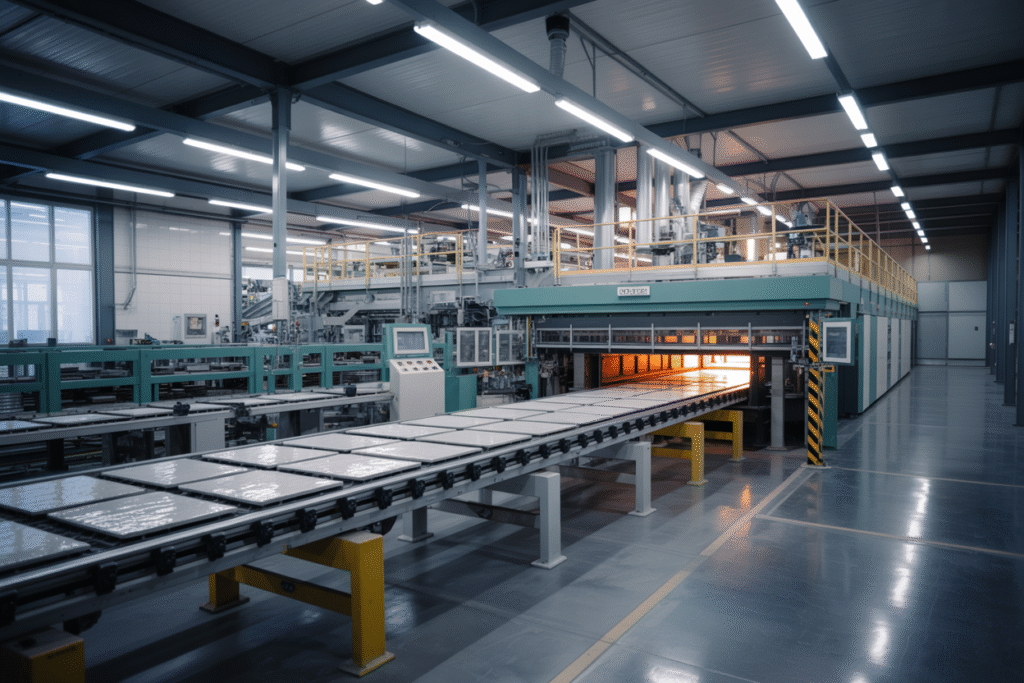
Precision Cutting and Dimensional Accuracy
Premium tiles demand exact measurements that create seamless installations every single time. Top manufacturers invest in advanced cutting systems that maintain tolerances within ±0.5mm across all dimensions. This level of precision means no grinding, chipping, or excessive gaps during installation.
The cutting process begins with diamond-tipped blades operating at controlled speeds to prevent micro-fractures along edges. Calibrated machines automatically adjust for material density variations, ensuring consistent thickness across entire production runs. Water-cooled cutting systems prevent heat damage that could compromise structural integrity or create surface irregularities.
Quality manufacturers perform edge inspection using laser measurement systems that detect even microscopic deviations. Tiles failing dimensional standards get removed before packaging, protecting brand reputation and installer confidence.
Surface Finishing Techniques
Surface texture and appearance separate premium tiles from standard offerings. Advanced finishing techniques include controlled polishing using progressively finer diamond abrasives, creating mirror-like surfaces without compromising durability.
Textured finishes require specialized equipment that etches precise patterns while maintaining slip resistance ratings. Anti-slip treatments penetrate surface layers rather than sitting as coatings, providing long-lasting safety performance.
Color application happens through multiple methods depending on desired effects. Digital printing systems apply ceramic inks at temperatures exceeding 1000°C, creating fade-resistant patterns that penetrate tile bodies. Glazing processes involve multiple firing cycles, building protective layers that enhance both aesthetics and performance.
Quality Control Checkpoints
Manufacturing excellence requires systematic inspection at every production stage. Raw material testing verifies chemical composition, moisture content, and particle size distribution before mixing begins.
During forming, automated systems monitor pressure application and thickness uniformity. Dimensional checks occur pre and post-firing using coordinate measuring machines that detect warpage, edge straightness, and surface flatness deviations.
Color consistency gets verified through spectrophotometer readings that compare finished tiles against approved standards. Any batch showing color drift exceeding predetermined limits gets flagged for correction or rejection.
Mechanical testing includes breaking strength analysis, water absorption measurement, and thermal shock resistance evaluation. These tests simulate decades of real-world conditions, ensuring tiles meet or exceed performance specifications.
Kiln Technology and Temperature Control
Kiln operations represent the most critical manufacturing phase where raw formed tiles transform into durable ceramic products. Modern tunnel kilns stretch over 100 meters, allowing precise temperature profiling across multiple zones.
Temperature control systems maintain accuracy within ±5°C throughout firing cycles. This precision prevents thermal stress that causes cracking, warping, or incomplete sintering. Multi-zone monitoring allows different heating and cooling rates optimized for specific tile compositions.
Atmosphere control manages oxygen levels during firing, affecting final color development and surface characteristics. Computerized systems adjust gas flow rates automatically, maintaining consistent atmospheric conditions regardless of external variables.
Energy recovery systems capture waste heat for preheating incoming tiles, reducing fuel consumption while maintaining temperature stability. This approach supports both environmental responsibility and cost efficiency without compromising quality.
Batch Consistency Standards
Premium manufacturers establish strict protocols ensuring tiles from different production runs maintain identical characteristics. Color matching requires spectral analysis comparing new batches against master standards, with acceptable variance limits typically under 2%.
Physical property testing verifies each batch meets strength, absorption, and dimensional specifications. Statistical process control tracks key variables, identifying trends before they affect product quality.
Batch documentation includes firing curves, raw material sources, and environmental conditions during production. This traceability enables rapid response to quality issues and supports continuous improvement initiatives.
Sample retention programs preserve specimens from every batch for future reference testing. These samples provide baseline comparisons when investigating field performance issues or validating new testing procedures.
Durability and Performance Metrics
Wear Resistance Ratings
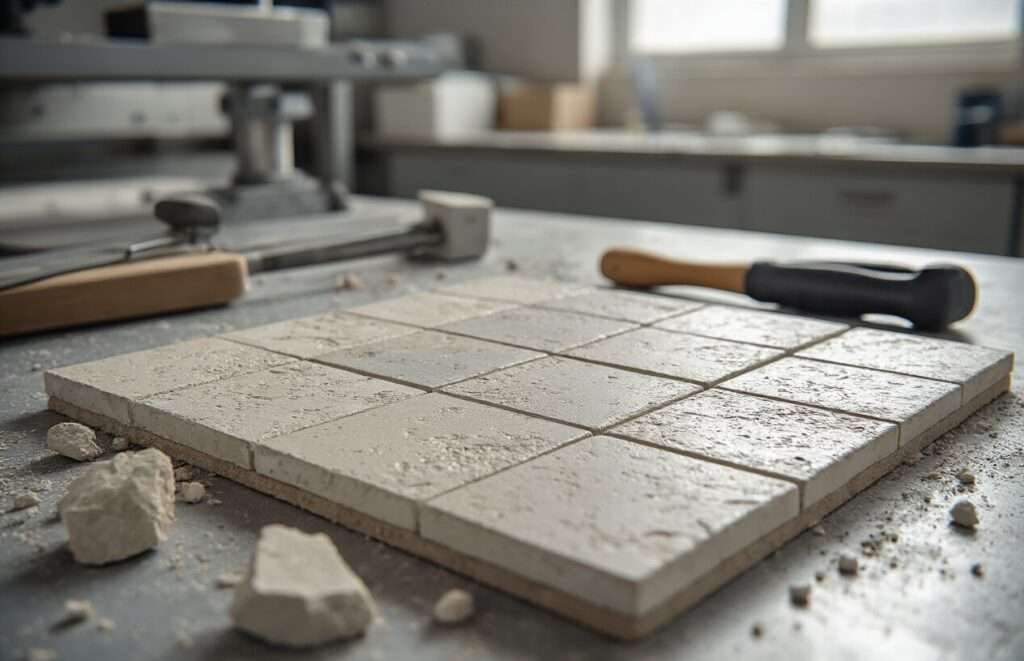
The Porcelain Enamel Institute (PEI) rating system tells the complete story of how well a tile holds up under foot traffic. Premium tiles typically carry PEI ratings of 4 or 5, meaning they can handle heavy commercial use without showing wear patterns. Class 5 tiles endure the most punishing conditions – think airport terminals and shopping malls – while still maintaining their original appearance after years of constant use.
Quality manufacturers test their tiles using standardized abrasion wheels that simulate thousands of footsteps. The best premium tiles show minimal surface changes even after 12,000+ revolutions, proving they’ll look pristine in your home for decades. Look for tiles that exceed minimum PEI requirements, as this extra durability translates to long-term value.
Water Absorption Rates
Water absorption directly impacts a tile’s freeze-thaw resistance and overall longevity. Premium porcelain tiles typically absorb less than 0.5% of their weight in water, classified as impervious. This ultra-low absorption prevents water from penetrating the tile body, which protects against cracking, staining, and bacterial growth.
Testing involves weighing dry tiles, soaking them in boiling water for five hours, then measuring weight gain. The lower the percentage, the better the performance. Top-tier tiles often achieve absorption rates as low as 0.1%, making them suitable for any application from bathroom floors to outdoor installations in harsh climates.
Thermal Shock Resistance
Premium tiles withstand dramatic temperature changes without cracking or losing structural integrity. This property becomes critical in environments with heating systems, fireplaces, or outdoor installations where temperatures fluctuate dramatically between seasons.
Manufacturers test thermal shock by subjecting tiles to repeated cycles between -5°C and 145°C. Quality tiles show no visible damage after multiple cycles, proving they can handle everything from radiant floor heating to outdoor patios in extreme climates. This resistance also extends to resistance against thermal expansion and contraction that could cause cracking over time.
Stain and Scratch Protection
Surface treatments and inherent material properties determine how well premium tiles resist daily damage. The best tiles feature low porosity surfaces that prevent liquids from penetrating, making cleanup effortless even with challenging substances like red wine or oil-based stains.
Scratch resistance depends on surface hardness, measured on the Mohs scale. Premium ceramic and porcelain tiles typically rate between 6-8, harder than most household objects that might drag across them. Advanced glazing techniques create surfaces that maintain their appearance even under furniture movement and pet traffic, while specialized treatments can add extra protection against specific staining agents.
Aesthetic Design Features
Color Consistency and Vibrancy
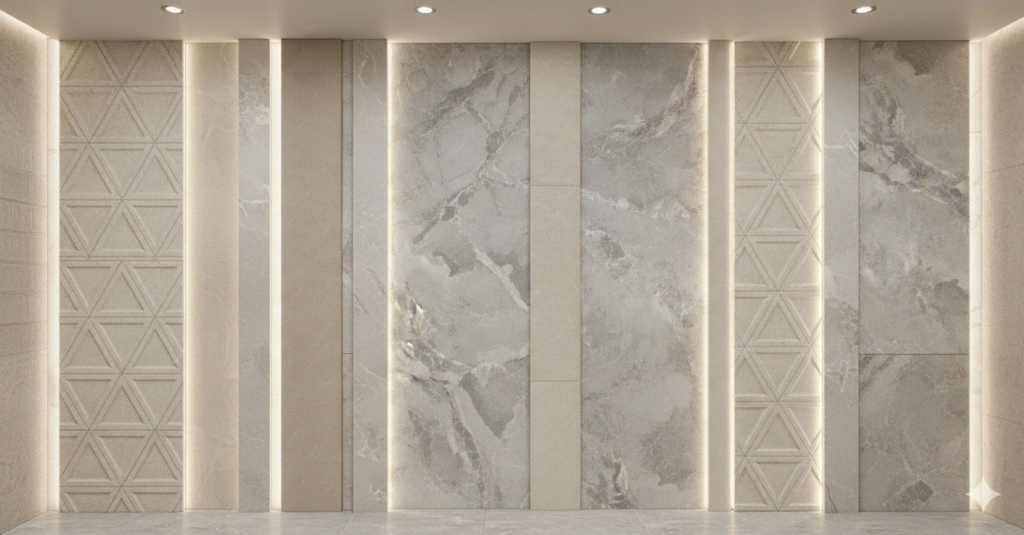
Premium tiles showcase remarkable color uniformity across every piece, creating a seamless visual flow when installed. Quality manufacturers implement advanced digital printing technologies and precise color matching systems that ensure each tile maintains identical color depth and saturation. This consistency becomes especially critical in large installations where even minor color variations would create unsightly patches or streaks.
The vibrancy of premium tiles comes from high-quality pigments and sophisticated glazing processes that lock in colors permanently. These tiles resist fading under UV exposure and maintain their original brilliance for decades. Color depth appears rich and dimensional rather than flat, with subtle tonal variations that mimic natural materials while avoiding the artificial look of lower-grade products.
Surface Texture Variations
Premium tiles offer carefully engineered surface textures that enhance both visual appeal and functionality. These textures range from subtle grain patterns that add tactile interest to pronounced relief surfaces that provide superior slip resistance. The best tiles achieve texture variation through multiple techniques, including embossing, etching, and specialized printing methods that create authentic-looking surfaces.
Quality surface treatments ensure texture remains consistent across production batches. Each tile features the same texture depth and pattern placement, preventing the patchwork appearance that occurs with inconsistent manufacturing. Premium textures also resist wear, maintaining their original feel and appearance even in high-traffic areas.
Pattern Alignment Precision
Pattern alignment separates premium tiles from standard options. High-end tiles feature patterns that align perfectly when installed, creating continuous designs across multiple pieces. This precision requires extremely tight manufacturing tolerances and careful quality control throughout production.
The best pattern systems account for grout joint spacing, ensuring designs flow naturally even with standard installation gaps. Pattern registration marks help installers achieve perfect alignment, while consistent tile dimensions prevent cumulative spacing errors that disrupt pattern continuity.
Edge Quality and Straightness
Premium tiles feature perfectly straight, clean edges that enable tight installations with minimal grout lines. Edge precision affects both appearance and installation ease. Straight edges create clean sight lines and allow tiles to fit together seamlessly, while rough or uneven edges require wider grout joints that can compromise the overall design.
Quality edge finishing includes proper beveling or shaping that prevents chipping during installation and use. The edge treatment also affects how light reflects off tile surfaces, contributing to the overall visual quality of the finished installation.
Installation and Maintenance Benefits
Easy Installation Characteristics
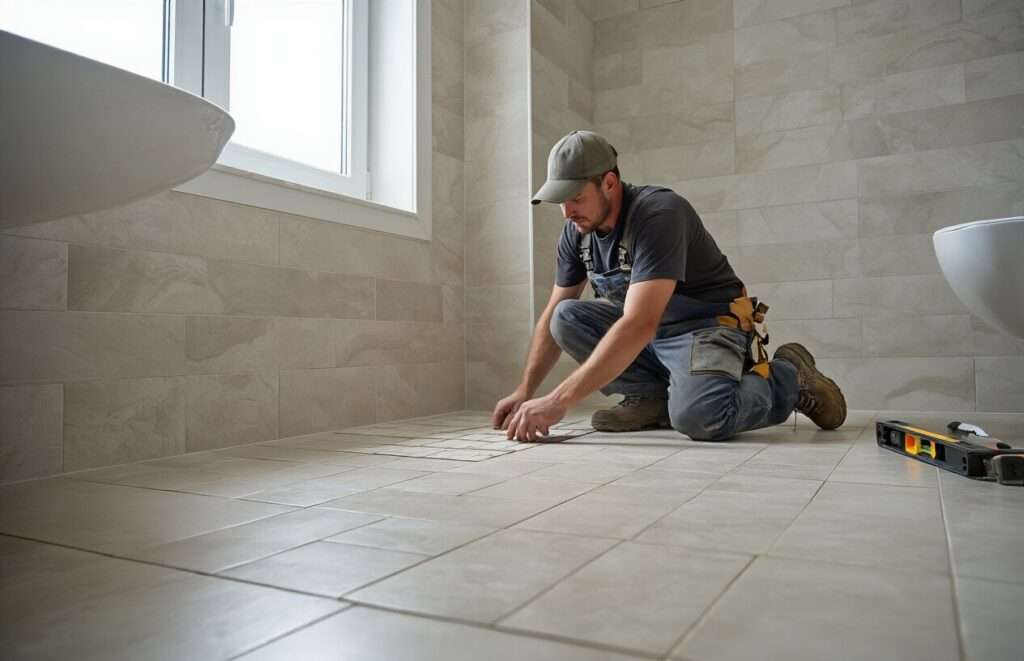
Premium tiles from Lorex Ceramic come with precision-engineered dimensions that make installation a breeze for professionals and ambitious DIYers alike. The manufacturing process ensures consistent thickness and perfectly straight edges, eliminating the guesswork that comes with lower-quality tiles. When tiles maintain uniform dimensions within tight tolerances, installers can work faster and achieve professional results without extensive cutting or adjustments.
The weight distribution of premium tiles is carefully calculated to provide stability without becoming unwieldy during installation. Many premium options feature subtle texture patterns on the back surface that improve adhesion with mortars and leveling compounds. This design consideration reduces the risk of loose tiles and hollow spots that can plague inferior products.
Minimal Grout Line Requirements
High-quality tiles allow for significantly tighter grout lines, sometimes as narrow as 1/16 inch, creating a more seamless and sophisticated appearance. This precision comes from the manufacturing consistency mentioned earlier – when tiles maintain exact dimensions, installers can create uniform, narrow joints throughout the installation.
Narrow grout lines offer several practical advantages beyond aesthetics. Less grout means fewer places for dirt, bacteria, and moisture to accumulate. The reduced surface area of grout also means less maintenance over time and fewer opportunities for discoloration or cracking.
Recommended grout line widths for premium tiles:
| Tile Size | Minimum Grout Line | Maximum Grout Line |
| 12″ x 12″ | 1/16″ | 1/8″ |
| 18″ x 18″ | 1/8″ | 3/16″ |
| 24″ x 24″ | 3/16″ | 1/4″ |
Cleaning and Maintenance Simplicity
Premium tiles feature advanced surface treatments that repel stains and resist scratching from daily wear. These protective coatings aren’t just marketing gimmicks – they’re engineered at the molecular level to create surfaces that release dirt and grime with minimal effort.
Regular maintenance becomes almost effortless with quality tiles. A simple sweep and damp mop with neutral pH cleaner keeps most premium tiles looking fresh for years. The non-porous surface prevents liquids from penetrating, which means spills wipe away cleanly without leaving permanent marks or requiring harsh chemical treatments.
For deeper cleaning, premium tiles can handle stronger cleaning products without damage to the surface or color. This durability means homeowners don’t need to invest in specialized cleaning products or worry about voiding warranties through normal maintenance activities.
Long-term Appearance Retention
The true test of premium tile quality shows up years after installation. While budget tiles may fade, chip, or show wear patterns within the first few years, premium options maintain their original appearance for decades with proper care.
Color stability comes from advanced pigmentation techniques that distribute color throughout the tile body rather than just on the surface. This means minor chips or scratches won’t reveal contrasting base materials underneath. The manufacturing process also incorporates UV-resistant compounds that prevent fading even in areas with direct sunlight exposure.
Surface hardness ratings of premium tiles typically exceed those of natural stone while maintaining the desired aesthetic appeal. This hardness translates to scratch resistance that keeps floors looking new even in high-traffic areas like entryways and kitchens.
Repair and Replacement Considerations
When repairs become necessary, premium tiles offer distinct advantages. The manufacturing consistency means replacement tiles from the same product line will match perfectly in color, texture, and dimensions – even if purchased years after the original installation.
Many premium tile manufacturers maintain production of popular lines for extended periods, sometimes decades, ensuring replacement availability. This continuity protects the investment homeowners make in quality flooring by avoiding the need for partial room replacements when individual tiles need attention.
The removal process for premium tiles is typically more straightforward than with budget alternatives. The superior adhesion during installation paradoxically makes targeted removal easier because the tiles maintain their structural integrity during the removal process, reducing the risk of damage to surrounding tiles.
Professional installers can often replace individual premium tiles without disturbing adjacent areas, keeping repair costs minimal and reducing the disruption to daily life that comes with larger flooring projects.
Premium tiles aren’t just about looks – they’re the result of careful attention to every detail from start to finish. The best tiles combine top-notch materials with precise manufacturing, creating products that can handle daily wear while maintaining their beauty for years. When you’re shopping for tiles, focus on the material composition, check how they’re made, and look for proven durability ratings that match your specific needs.
Your tile investment should work hard for you, delivering both stunning aesthetics and practical benefits that make your life easier. Quality tiles from trusted manufacturers like Lorex Ceramic offer the peace of mind that comes with superior craftsmanship and thoughtful design. Before making your final decision, use this quality checklist to compare options and choose tiles that will enhance your space for decades to come.